A Short History of the Psychedelics: Five Substances, One Story
From Albert Hofmann's accidental bicycle ride to the Amazonian vine still brewed every night somewhere on the Rio Negro: a narrative history of psilocybin, LSD, MDMA, DMT, and ayahuasca, drawing chiefly on Michael Pollan, with Stamets, Doblin, Johnson, and Carhart-Harris filling in the chapters they know best.
In the spring of 1943, a Swiss chemist named Albert Hofmann accidentally absorbed a microscopic amount of a compound he had synthesized five years earlier and shelved as pharmacologically uninteresting. He stopped his work, went home, and experienced what he would later describe as a "peculiar presentiment"—the world's first LSD trip. Three days later, seeking to confirm what had happened, he took what he believed to be a threshold dose, 250 micrograms, and rode his bicycle home through the streets of Basel. By the time he arrived, the walls of his apartment were breathing, his neighbor had transformed into a malevolent witch, and he was convinced he was dying. What Hofmann could not have known, lying terrified in his living room as the effects slowly subsided, was that he had opened a door that would swing wide, slam shut, and only now—eight decades later—be cautiously prised open once more.
This is the story of five compounds: psilocybin, LSD, MDMA, DMT, and ayahuasca. Each entered modern consciousness through a different route—a magazine article, a laboratory accident, a chemist's intuition, the Beats' restless searching, an Amazonian vine. Each promised, or seemed to promise, something psychiatry had long sought: direct access to the substrate of consciousness itself, and with it the possibility of healing. Each was swept up in the turbulence of the 1960s counterculture, and each was effectively banished from legitimate research for half a century. And each, in the past two decades, has returned—not as sacrament or rebellion, but as medicine. Michael Pollan, whose 2018 book How to Change Your Mind stands as the canonical popular history of this arc, describes what he found when he began investigating: a quiet, rigorous, and utterly surprising renaissance in psychedelic science, one that had already been underway for more than a decade before most of the public, himself included, had any idea it was happening.
Psilocybin: a Mexican mushroom, a banker's letter, and a quiet revival
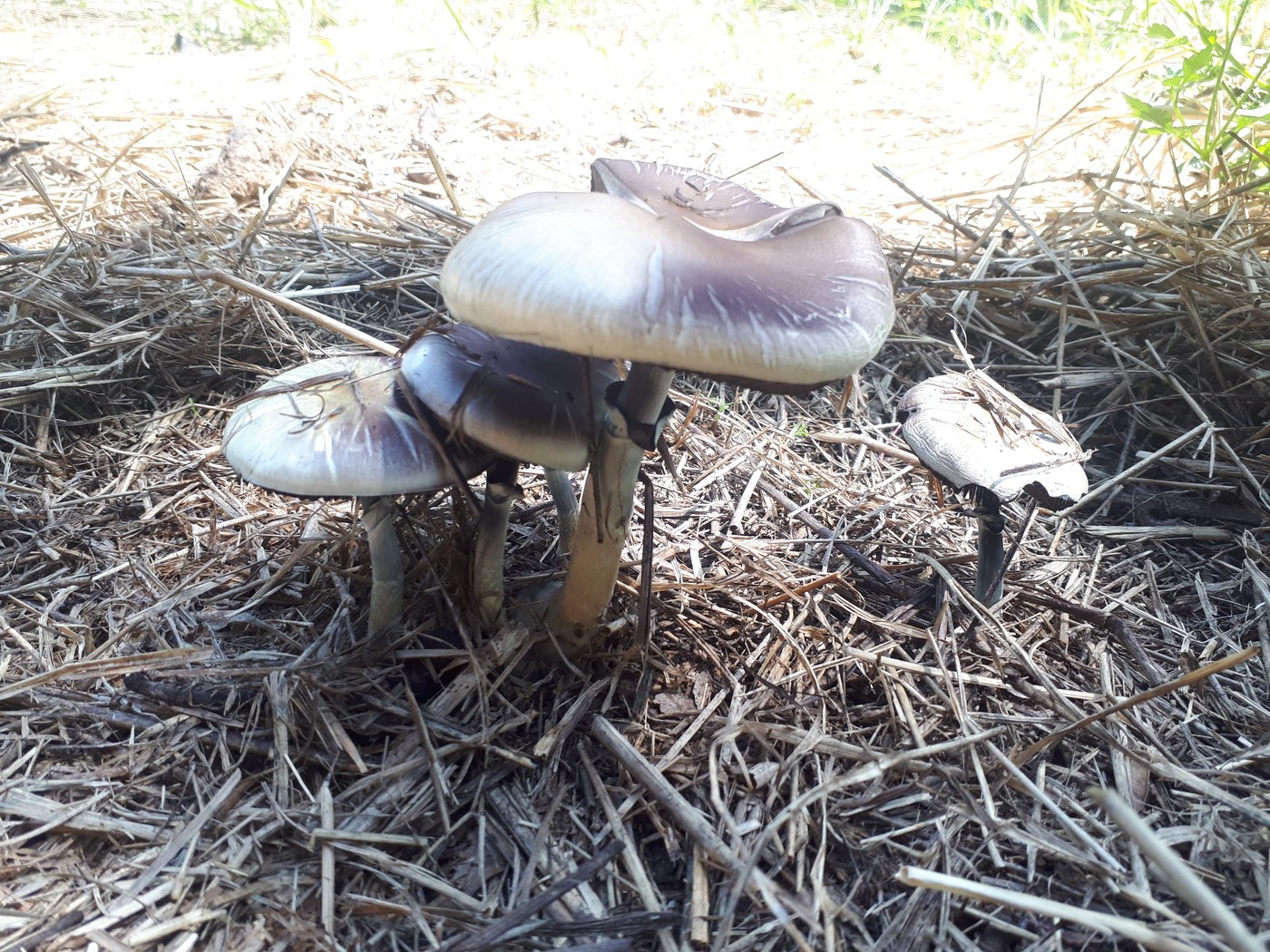
The modern story of psilocybin begins not in a laboratory but in the mountains of southern Mexico, in a Mazatec village where a curandera named María Sabina led all-night veladas—healing ceremonies built around the consumption of hongos, the little saints, the mushrooms that grow in the dung of cattle. In 1955, a vice president at J.P. Morgan named R. Gordon Wasson, an amateur ethnomycologist, made his way to Oaxaca in search of these mushroom cults. He found them, participated in a ceremony with Sabina, and in May 1957 published an account in Life magazine. The article, "Seeking the Magic Mushroom," became one of the most widely read pieces the magazine ever published. As Pollan notes, it was the first time most Americans had heard of psilocybin mushrooms, and it set off a pilgrimage. Wasson had hoped to protect the ritual; instead, he opened the floodgates.
Within months, samples of the mushrooms reached Sandoz Pharmaceuticals in Switzerland, where Albert Hofmann—the same chemist who had discovered LSD—succeeded in isolating and synthesizing the active compounds: psilocybin and psilocin. The mycologist Paul Stamets points out that this represented an extraordinary convergence: indigenous knowledge, corporate pharmacology, and the sheer good fortune that the mushrooms Sabina used happened to be among the most potent in the world, Psilocybe species capable of producing psilocybin at concentrations up to two percent of dry weight. For a brief window in the early 1960s, Sandoz distributed psilocybin to researchers, and studies proliferated. Then came Timothy Leary, the Harvard Psilocybin Project, the chaos of the counterculture, and the 1970 Controlled Substances Act, which placed psilocybin in Schedule I: no recognized medical use, high potential for abuse. Research stopped almost overnight.
It resumed, quietly, in 1999, when a soft-spoken neuroscientist named Roland Griffiths received approval from Johns Hopkins to give high doses of psilocybin to healthy volunteers—the first such study in the United States in more than three decades. Griffiths, a behavioural pharmacologist with an unimpeachable reputation in addiction research, had taken up meditation late in life and become curious about mystical experience. His study, published in 2006, found that a single high dose of psilocybin, administered in a carefully controlled setting, could occasion mystical-type experiences indistinguishable from those described in the literature of spontaneous religious epiphany. More striking still, two-thirds of participants rated the session among the five most meaningful experiences of their lives. Pollan calls this "the paper that launched a thousand trips"—the beginning of a new era. By the time Pollan visited the Hopkins lab to report his 2015 New Yorker piece, Griffiths and his colleagues had moved on to therapeutic applications: psilocybin for cancer-related existential distress, for treatment-resistant depression, for addiction. The results were, by any standard, remarkable. Roughly two-thirds of cancer patients showed significant reductions in anxiety and depression six months after a single session, with many describing a dissolution of their fear of death. And Matthew Johnson, a colleague of Griffiths, demonstrated that 80 percent of longtime smokers who underwent psilocybin-assisted therapy were abstinent a year later—a success rate unheard of in addiction treatment.
Today, psilocybin is in Phase III trials, the final stage before potential FDA approval, for major depressive disorder. It has been granted Breakthrough Therapy designation. What was unthinkable twenty years ago is now, improbably, on the cusp of becoming standard psychiatric care.
LSD: a bicycle ride, a counterculture, and a banishment
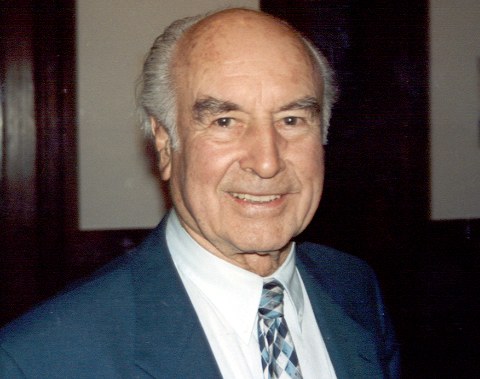
Hofmann's accidental discovery in 1943 was followed three days later by a deliberate one. On April 19—Bicycle Day, as it would come to be known—he ingested 250 micrograms of LSD-25, far more than he realized, and rode his bicycle home from the Sandoz laboratory. As Pollan recounts, Hofmann experienced terror: his neighbour's face transformed, objects warped, and he became convinced he was losing his mind. But when the effects began to subside, he stepped into his garden and was overwhelmed by its beauty. He realized he had not gone insane. He had, instead, discovered a compound of staggering potency—active in the microgram range, a dose nearly invisible—that appeared to offer a window into the neurochemistry of consciousness itself.
For nearly two decades, that window stayed open. In the 1950s and early 1960s, LSD was investigated as a treatment for alcoholism, depression, and end-of-life anxiety. Thousands of patients received it in clinical settings. Aldous Huxley, who had written The Doors of Perception about his mescaline experiences, became an evangelist for its potential. Then came Leary. His Harvard Psilocybin Project, launched in 1960, quickly expanded to include LSD, and Leary's message—"turn on, tune in, drop out"—became a slogan of the counterculture. Ken Kesey and the Merry Pranksters took LSD on the road. The drug leaked out of therapeutic contexts and into the hands of millions. Pollan notes that by the mid-1960s, an estimated million Americans had tried it. The backlash was swift. In 1966, Sandoz stopped distributing LSD. In 1968, it became illegal. By 1970, it was Schedule I, and research ground to a halt.
What was lost, Pollan emphasizes, was not just the drug but an entire line of inquiry. As Matthew Johnson puts it, "we lost decades." But in 2006, after decades of advocacy by organizations like the Beckley Foundation, a small team at Imperial College London, led by the psychiatrist David Nutt and the neuroscientist Robin Carhart-Harris, received approval to administer LSD to healthy volunteers inside an fMRI scanner. What they found astonished them. Under LSD, the brain's default mode network—a set of regions associated with self-referential thought, the narrative "I," the autobiographical self—quieted dramatically. As Carhart-Harris describes it, the normal hierarchies of brain function collapsed. Regions that do not ordinarily communicate began talking to each other. The ego, in a very literal neurobiological sense, dissolved.
What we've learned is that the brain is organized in a particular way to constrain our experience of the world and hold it steady. We tend to just catch the gist of things. But psychedelics disrupt that. — Robin Carhart-Harris
Today, Imperial's Centre for Psychedelic Research is investigating LSD and psilocybin for depression, anorexia, and chronic pain. The substance that once epitomized the chaos of the 1960s has become, once again, a tool of neuroscience.
MDMA: Shulgin, Adam, and the long detour through prohibition
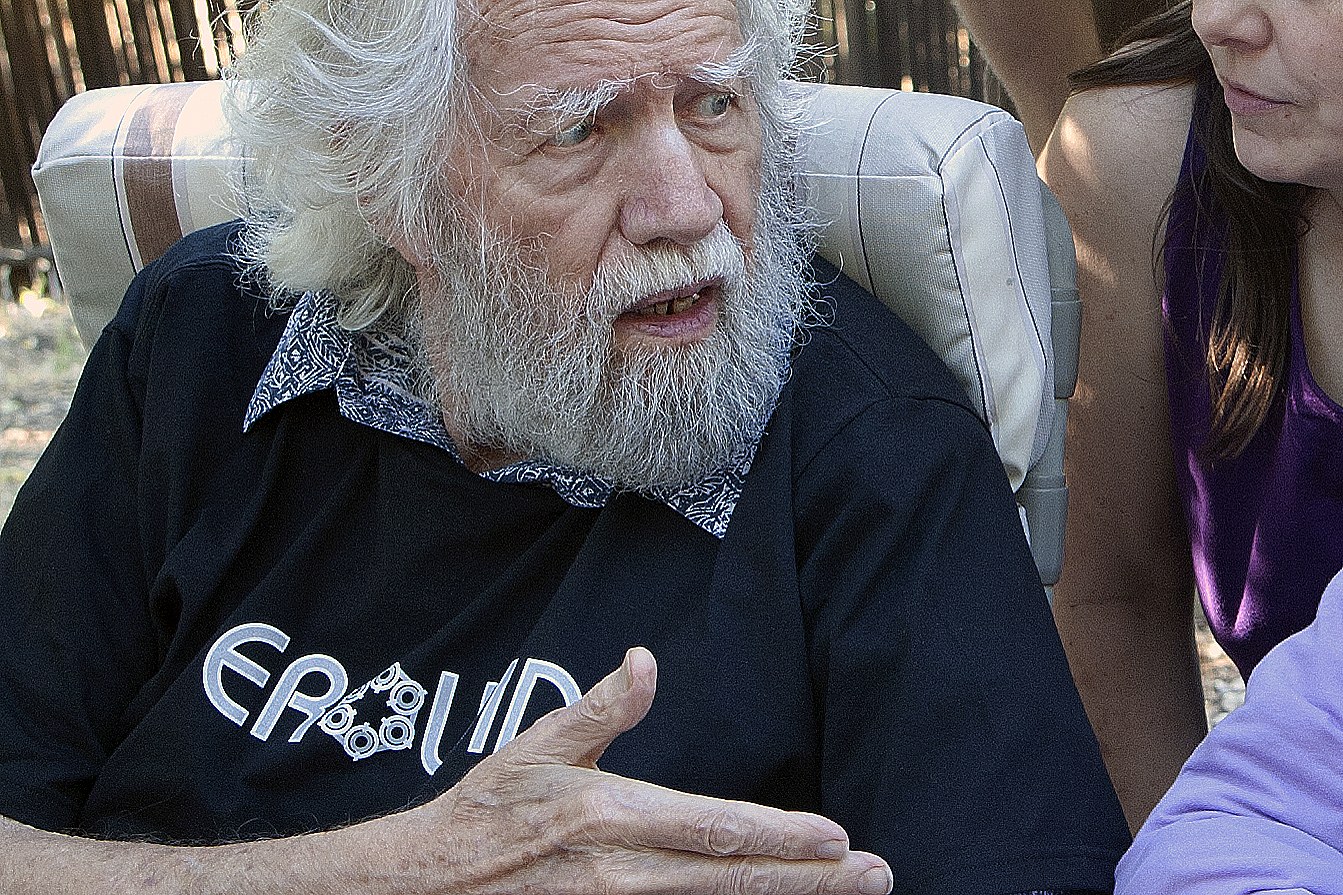
MDMA—3,4-methylenedioxymethamphetamine—was first synthesized by the German pharmaceutical company Merck in 1912 as an intermediate compound in the synthesis of a blood-clotting agent. It sat on a shelf, forgotten, for more than six decades. In 1976, a chemist named Alexander "Sasha" Shulgin, working in his home laboratory in the hills east of San Francisco, resynthesized it and tried it himself. Shulgin, who had once worked for Dow Chemical and held a DEA license to manufacture controlled substances for research, recognized immediately that MDMA was something unusual. It was not a classic psychedelic. It did not produce the radical perceptual distortions of LSD or psilocybin. What it did, instead, was reduce fear—specifically, the fear of difficult emotions.
Shulgin quietly introduced MDMA to a small circle of psychotherapists in the late 1970s, who began using it, off-label and entirely legally, in their practices. They called it "Adam," a nod to its capacity to return patients to a state of prelapsarian openness. As Rick Doblin, who would go on to found the Multidisciplinary Association for Psychedelic Studies (MAPS), recalls, the therapists reported extraordinary results, particularly with trauma. MDMA appeared to allow patients to revisit traumatic memories without being overwhelmed by them, to process what had been unprocessable. But by the mid-1980s, MDMA had escaped the clinic. Renamed "Ecstasy," it became a staple of nightclub culture. In 1985, the DEA placed it on Schedule I by emergency order. The therapeutic window slammed shut.
That same year, Doblin founded MAPS with a single goal: to turn MDMA into an FDA-approved medicine. It would take nearly four decades. The Phase II trials, begun in the early 2000s with therapist Michael Mithoefer, showed that MDMA-assisted psychotherapy produced dramatic reductions in PTSD symptoms—67 percent of participants no longer met diagnostic criteria after three sessions. The Phase III trials, completed in 2021, replicated those findings. MDMA worked not by numbing patients, Doblin stresses, but by allowing them to feel, fully, in the presence of trained therapists who guided them through integration. In 2024, however, the FDA issued a Complete Response Letter, declining to approve MDMA pending further data. The long slog continues, though approval now seems a matter of when, not if.
DMT: the molecule that is already inside you

N,N-Dimethyltryptamine is the strangest of the psychedelics, and the one that most stubbornly resists easy narrative. It is endogenous to the human body—trace amounts have been detected in spinal fluid, though no one knows what function, if any, it serves. When smoked or vaporized, DMT produces an experience of almost unimaginable intensity and brevity: onset within seconds, peak within two minutes, baseline within fifteen. Pollan calls it "the Everest of psychedelics." Users report not altered perception of this world but the overwhelming sense of having left it entirely—of encountering autonomous entities, alien geometries, realms that feel more real than consensus reality.
DMT's entry into Western consciousness came through the Beats, particularly William Burroughs, who travelled to the Amazon in the 1950s in search of yagé, the indigenous name for ayahuasca, which contains DMT. But it was the psychiatrist Rick Strassman, at the University of New Mexico in the 1990s, who conducted the first rigorous study of inhaled DMT in humans in decades. His book, DMT: The Spirit Molecule, documented the astonishing consistency of reports: volunteers, with no prior knowledge of what to expect, described similar encounters with entities, similar architectures of impossible space. Strassman himself was shaken by what he heard. More recently, Carhart-Harris and his colleagues at Imperial have developed a method for continuous intravenous infusion of DMT, extending the experience from minutes to hours—a kind of controlled journey into whatever strange country DMT unlocks.
What are we to make of these reports? Are the entities real? Is DMT a neurotransmitter of some cosmic significance? Pollan wisely refrains from answering. DMT, more than any other psychedelic, raises the question of whether these compounds reveal something about the universe or merely about the brain's capacity to generate convincing simulacra. The question remains open.
Ayahuasca: the vine and the leaf, from the Amazon outward
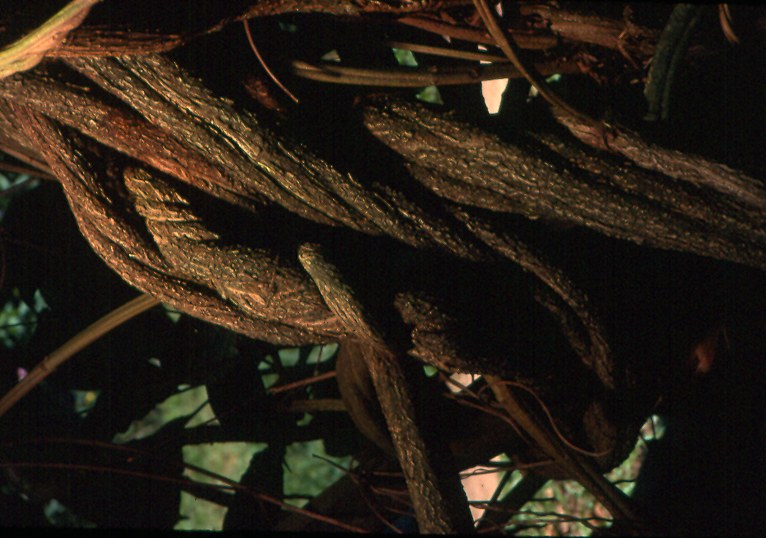
Ayahuasca is not a single plant but a preparation, typically a brew of the vine Banisteriopsis caapi and the leaves of a DMT-containing shrub such as Psychotria viridis. The vine contains harmala alkaloids, which inhibit the enzyme monoamine oxidase, allowing the DMT in the leaf to become orally active. It is a sophisticated pharmacological trick, one that indigenous Amazonian cultures have refined over millennia. The experience it produces is longer and more complex than smoked DMT—four to six hours of visions, purging, and what participants often describe as teaching. As Pollan notes, ayahuasca is not recreational. It is work.
In the twentieth century, ayahuasca gave rise to syncretic religious movements in Brazil, most notably Santo Daime and União do Vegetal (UDV), which blend indigenous Amazonian practice with Christian theology. These churches, which use ayahuasca as a sacrament, have won legal protections in Brazil and, following a U.S. Supreme Court ruling in 2006, in the United States as well. More recently, ayahuasca has spread beyond these contexts into what might be called the global spiritual marketplace: retreat centers in Peru, ceremonies in Northern California, a burgeoning culture of non-indigenous use that raises difficult questions about cultural appropriation and safety.
Pollan himself participated in ayahuasca ceremonies, and his accounts are among the most vivid in How to Change Your Mind. He describes a session in which his guide appeared to him transformed into María Sabina, the Mazatec curandera—a vision he had not sought and did not expect, but one that felt undeniably significant. Ayahuasca, he concludes, is less interested in dissolving the ego than in conducting a kind of audit of the self, surfacing what has been buried. It is, in his words, "the psychedelic of the superego."
What changed, and what didn't
The story Pollan tells is, at its core, a story of interruption and resumption. In the 1950s and early 1960s, psychedelics were investigated seriously, if not always rigorously, as psychiatric tools. Then politics intervened. For fifty years, research was effectively forbidden. Now, slowly, carefully, it has returned. What is genuinely new is the rigor: randomized controlled trials, longitudinal follow-up, brain imaging, published results in Nature Medicine and JAMA Psychiatry. Matthew Johnson at Johns Hopkins, Robin Carhart-Harris at Imperial and now UCSF, Rick Doblin at MAPS—these are not counterculture figures. They are careful scientists navigating FDA protocols and ethics boards, building a case that can withstand scrutiny.
What has not changed is the experience itself. Ego dissolution, mystical union, the encounter with what feels like sacred or numinous reality—these phenomena are identical to what Hofmann described on his bicycle, what the cancer patients in the Hopkins trials described, what indigenous practitioners have described for centuries. The drugs themselves, Pollan emphasizes, are neutral. They are tools. What matters is context: dose, setting, intention, and the presence of skilled guides to help integrate what is often ineffable.
And what has not changed, either, is the cultural anxiety. Psychedelics remain, as Pollan puts it, "politically threatening." They encourage questioning of authority, dissolution of rigid identity, experiences that don't fit neatly into materialist frameworks. Whether the culture is ready to accept them this time—whether the door will stay open—remains uncertain.
But the door is open. And through it, if we are willing to look carefully, we may glimpse not a panacea but a set of compounds that, used with humility and rigor, offer something psychiatry has long sought and rarely found: the possibility of profound and lasting change. Not for everyone, not in every case, but for some—and sometimes, astonishingly, after a single session—a chance to rewrite the stories we tell about ourselves, to see the world as if for the first time, and to carry that vision forward into the rest of life.