Books, considered slowly.
Long reads on long books — fiction, science, and the patient nonfiction that does not make the news.
Read & reviewed
8 reviews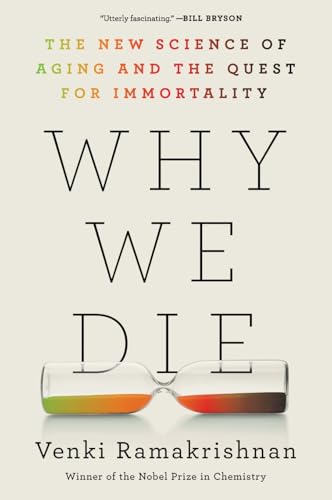
Why We Die: The New Science of Ageing and the Quest for Immortality
A Nobel Prize-winning biologist turns his eye on the science of ageing — why we age, why we die, and whether biology might one day change the answer. Clear-eyed, rigorous, and unexpectedly moving.
Why Machines Learn: The Elegant Math Behind Modern AI
A rigorous but accessible tour of the mathematics that makes AI work — from gradient descent and backpropagation to transformers — written for curious readers who want to understand not just what AI does but why it works.
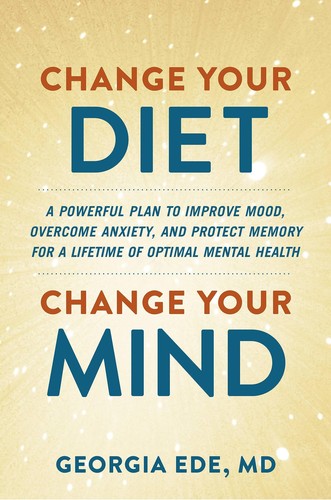
Change Your Diet, Change Your Mind
A Harvard-trained nutritional psychiatrist's evidence-based case that diet — particularly removing ultra-processed foods, seed oils, and excess refined carbs — is foundational to mental health.
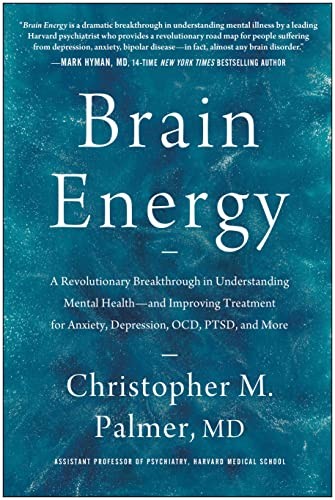
Brain Energy: A Revolutionary Breakthrough in Understanding Mental Health
A Harvard psychiatrist argues that mental disorders — depression, bipolar, schizophrenia, anxiety — are metabolic disorders of the brain, rooted in mitochondrial dysfunction.
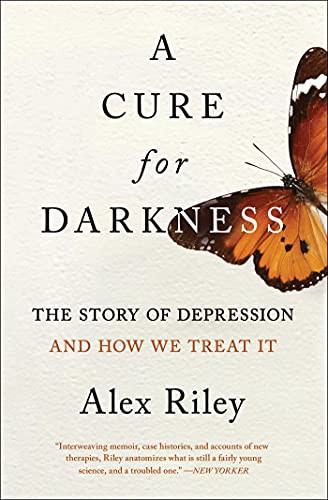
The Cure for Darkness: The Story of Depression and How We Treat It
A reported history of depression and its treatments — psychotherapy, antidepressants, ECT, ketamine, exercise, and the cultures that produced each. Honest about how much remains unknown.
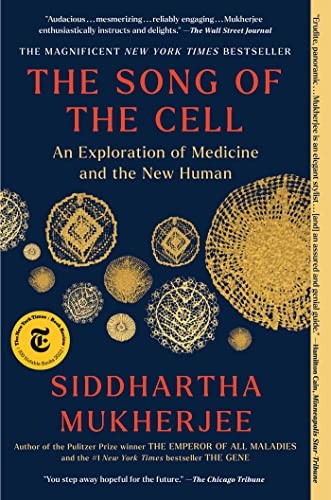
The Song of the Cell: An Exploration of Medicine and the New Human
A natural history of the cell — the smallest unit of life — and a look at how cellular medicine (CAR-T, stem cells, gene editing) is reshaping what medicine can do.
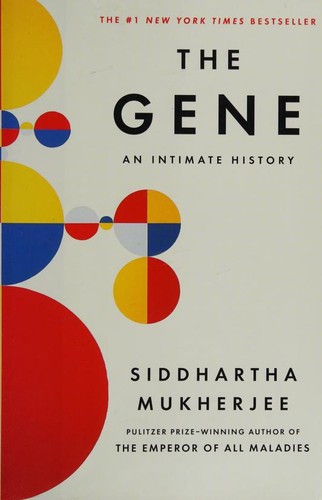
The Gene: An Intimate History
The story of the gene — from Mendel and Darwin to CRISPR — woven through the science, the history, and Mukherjees own family history of mental illness.

The Emperor of All Maladies: A Biography of Cancer
A Pulitzer Prize-winning narrative history of cancer — from its earliest documented appearance in ancient Egypt to the cutting edge of immunotherapy and targeted treatment today.